
Announcement
Published: 28 October, 2026
A new article in Nature, written by Dr Karen Hinxman, Head of the White Rose University Consortium, draws on findings from the White Rose Established Researchers project to explore the unique challenges felt by mid-career researchers. The project explored the experiences of established researchers at the universities of Leeds, Sheffield, and York.
At the White Rose University Consortium, we define an established researcher as an academic who has achieved functional independence and institutional recognition in their research capacity, whilst continuing to develop their professional identity and navigate complex career transitions.
This project, developed in partnership with the Established Researcher Forum at the University of Sheffield, benefited greatly from the insight, experience and generosity of colleagues across the White Rose universities.
The work was further enriched by the commitment and expertise of the project team: Amy Shaw, Monica Busse‑Morris, Tracey Stead, and Steve Joy, whose perspectives and guidance shaped the project from its earliest stages.
Careers are rarely linear
Early-career researchers often expect a familiar path from doctorate to postdoctoral post to research independence and, eventually, a more settled stage.
The conversations behind the project suggest the reality is far less linear. Established researchers rarely described having “made it”. Independence brought a fresh set of questions about sustaining research while leading people, managing competing responsibilities and deciding where to invest time and energy.
The personas
Based on research findings, the project developed four personas to describe how established researchers organise their work and define success:
- The laboratory builder enables research by recruiting, training and creating opportunities for others.
- The independent scholar builds influence through sustained intellectual contribution.
- The project architect leads large-scale collaborations that evolve as ideas and funding emerge.
- The boundary spanner works across policy, industry, health care, culture and communities.
No researcher fits a single persona, and many move between them over time. The article suggests that careers are shaped less by the next milestone than by choices about where to invest time, attention and energy.
For those still working towards independence, the personas offer a language for thinking about the kind of academic they want to become.
Take this short quiz to discover your researcher persona.
From research to resources
The project’s findings informed the White Rose Established Researchers Hub, an open-access online resource offering insights and practical tools to support career reflection and development.
Related news
See all news
Announcement
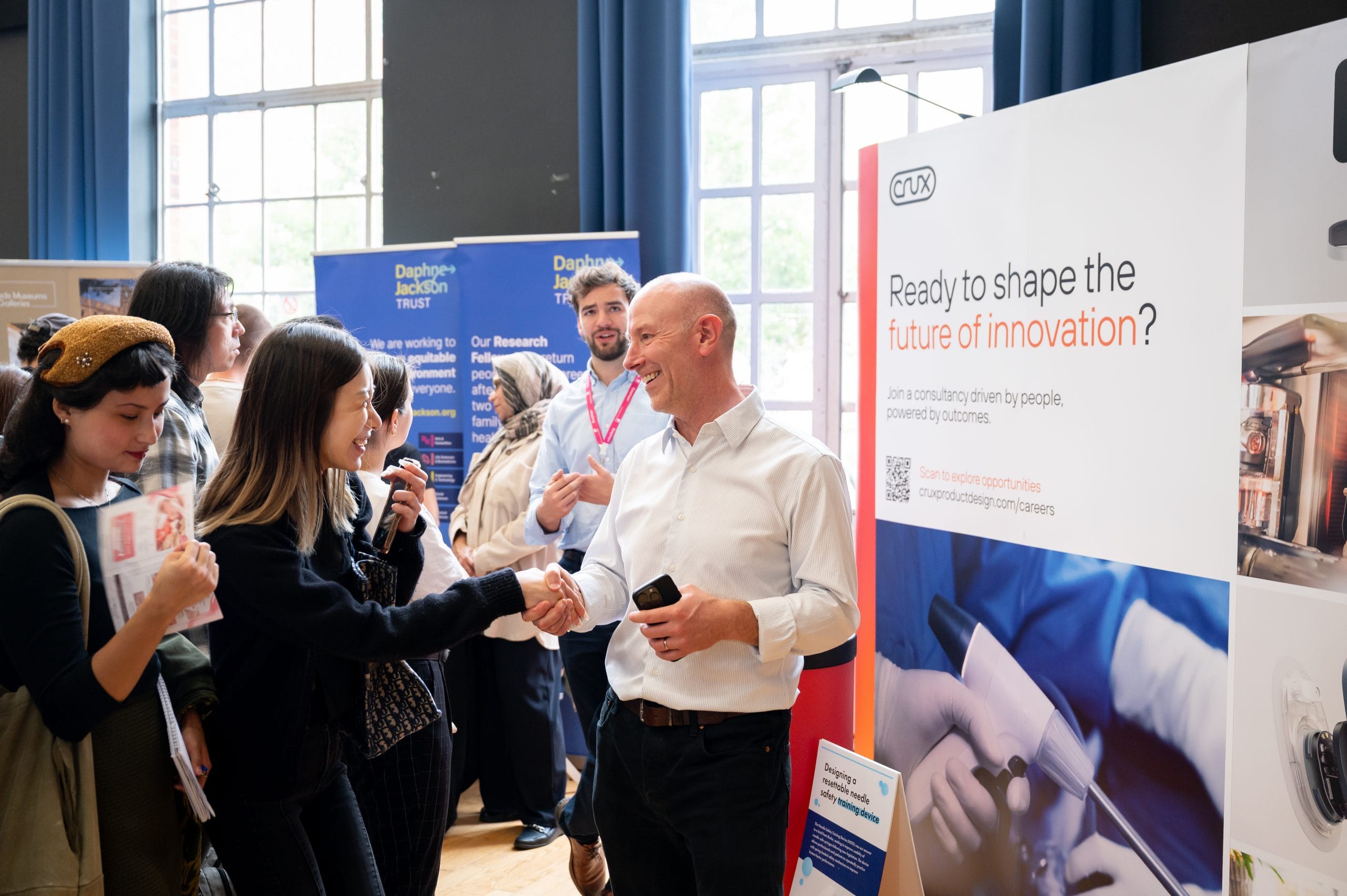
The White Rose PhD Careers and Networking Fair brings the region’s research community together
“The fair was inclusive, rich in different career opportunities, and staff were helpful and kind.” Last week, we...
Announcement

White Rose Crucible team wins seed funding to reimagine food futures through storytelling
The White Rose University Consortium has announced the second of its 2025 Crucible Seed Fund awards, supporting a...
Announcement
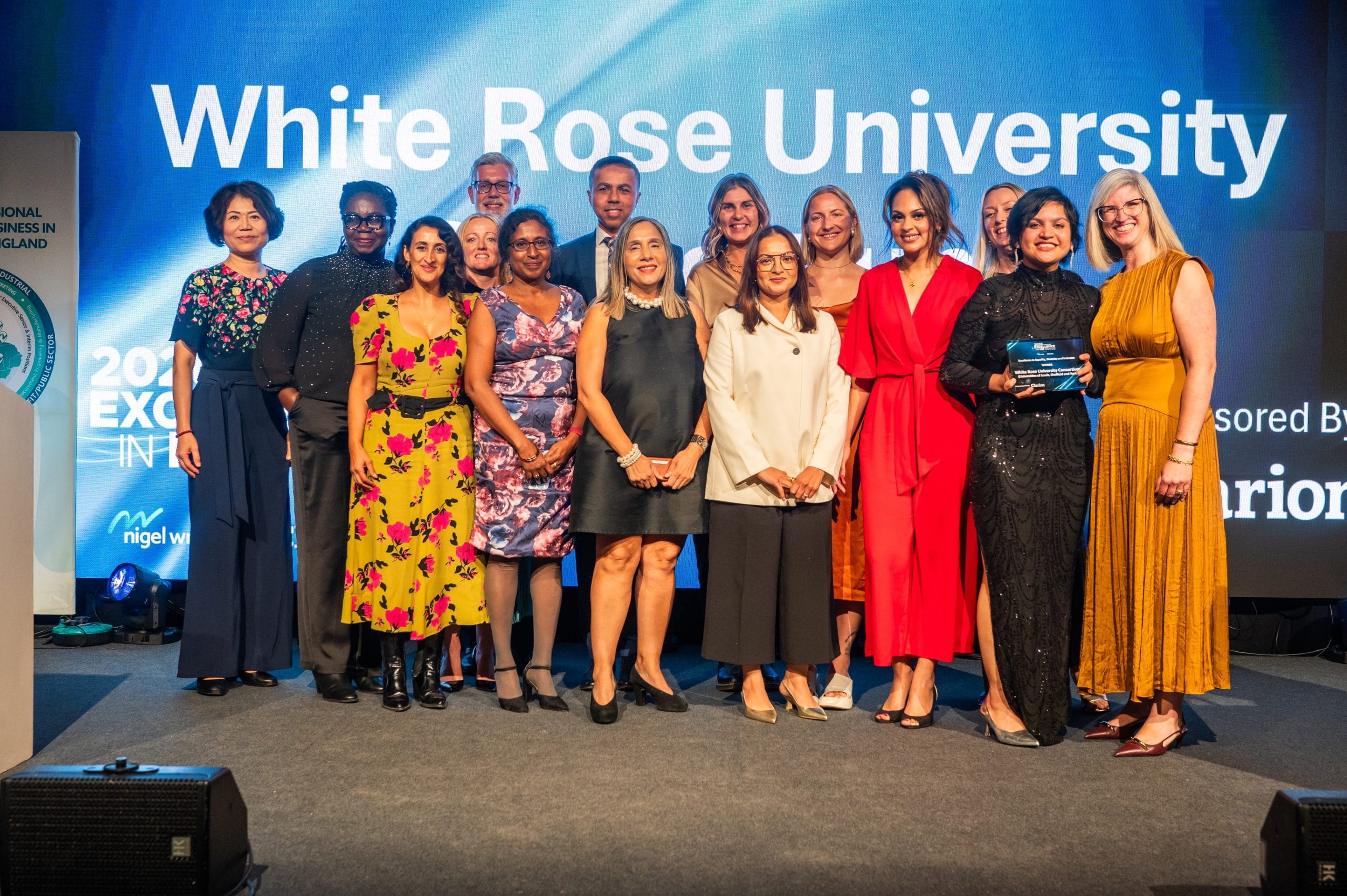
White Rose Equity in Leadership Programme named winner at Yorkshire Excellence in HR Awards
The White Rose University Consortium, a strategic partnership between the Universities of Leeds, Sheffield and York, won the...
Announcement

Align HE: Full conference agenda and programme now available
We are very happy to introduce the final conference agenda and programme for Advancing Leadership and Inclusion for...
Sign up to our newsletter
The White Rose University Consortium actively engages with institutional, regional and national partners to propel positive change and create sustained impact for individuals, communities, and the region.


