
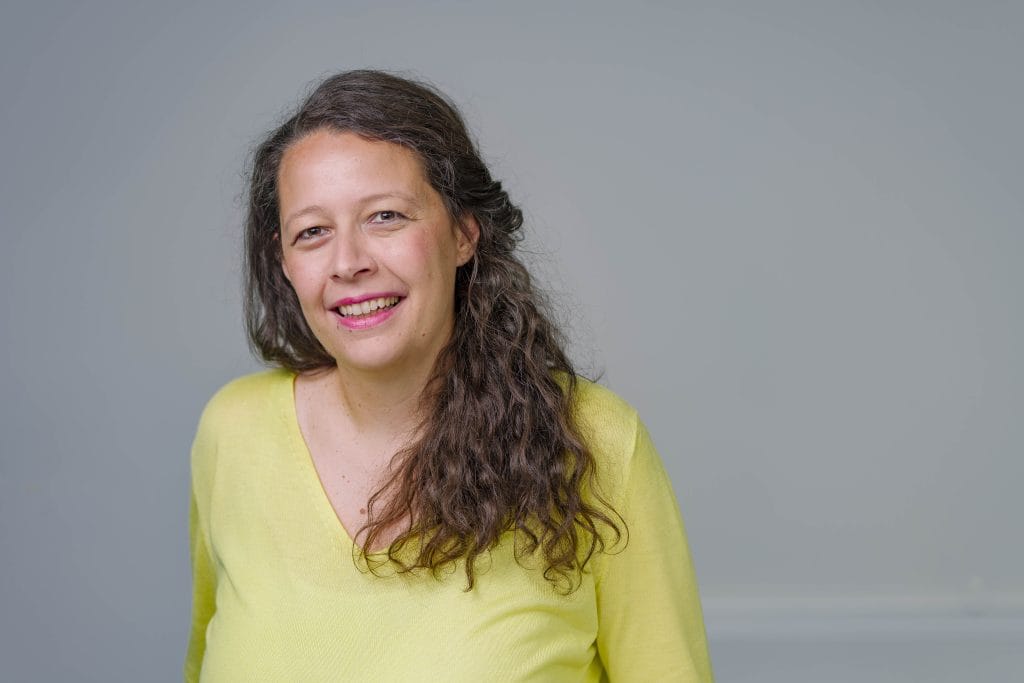
Martina Egedusevic
Role: Impact Fellow
Discipline: Nature based solutions
Institution: University of Exeter
Please note: This story reflects the personal experience and perspective of its contributor. Academic careers vary widely, and others may experience different challenges and opportunities.
Career Story
My career sits at the intersection of engineering, environmental science and public decision-making. I trained as a hydraulic engineer in Serbia and spent seven years working on flood protection and river basin management across the Danube, Sava and Morava catchments.
The 2014 Balkan floods were a turning point for me personally and professionally. My family home was affected, and I experienced first-hand the gap between emergency response and long-term risk reduction. That experience led me to pursue a PhD in Natural Flood Management in Scotland, focusing on how land use change and woodland creation influence flood risk.
Since then, my work has increasingly moved across sectors: academia, consultancy, government, NGOs and communities. I have worked on nature-based solutions, disaster risk reduction and climate adaptation in the UK and internationally. I am currently an Impact Fellow at the University of Exeter, working closely with policymakers, practitioners and communities to translate research into real-world change.
Looking back, I would tell myself that impact does not come from doing everything alone. I once believed I needed to prove my value by working harder, saying yes to everything and carrying responsibility quietly. I would now say: ask for help earlier, communicate constraints clearly and trust that collaboration strengthens your work.
One myth was that taking time for care responsibilities would permanently damage my career. Becoming a parent during my PhD forced me to work differently, but it did not make me less capable. It made me more focused, strategic and empathetic.
Another assumption that proved false was that applied or impact-oriented research is less valued. While it can sit uncomfortably between systems, I have seen growing recognition for work that bridges evidence, policy and practice.
I make the most meaningful impact at boundaries: between academia and practice, sectors and countries. My strength lies in translating complex technical evidence into forms that decision-makers and communities can actually use. This includes co-designing projects, combining data with lived experience and helping organisations shift from reactive disaster response to proactive risk reduction.
I have stopped equating productivity with constant availability. I no longer measure success by how much I juggle, but by whether my work creates clarity, value and change. I have also let go of the idea that I need to fit neatly into a single academic identity. Accepting a hybrid role, part researcher, part facilitator, part translator, has allowed me to align my work more closely with my values.
Networks matter, but relationships matter more than visibility. The most valuable connections have come from working together on real problems over time. I invest in networks that are reciprocal, interdisciplinary and rooted in trust.
You are allowed to design a career that reflects your life, not the other way around. Impact takes time, and from the inside it often looks slow, relational and messy. That does not mean it lacks value. Often, it means you are working on the problems that actually matter.
Reflections I would offer now
- Design a career that reflects your life, not the other way around.
- If you work across countries, disciplines or while caring for others, your lived experience is not a distraction. It is part of your expertise.
- Impact takes time, and it often looks slow and messy from the inside. That does not diminish its value.
- Work at boundaries can feel uncomfortable, but it is often where meaningful change happens.
- Do not equate productivity with constant availability. Prioritise clarity, value and long-term change.
- Collaboration strengthens impact. You do not need to carry everything alone to prove your worth.
Was this helpful? Tell us what you think in 60 seconds.
Related Resouces
See all Established Researcher resources
Use proven templates to negotiate and structure external collaboration projects
Reduce ambiguity and friction in collaborations using standardised agreements and frameworks.
Leadership in a time of jeopardy: realism about promotion, leverage and the realities of academic middle management
Build a research group culture that is open, collaborative, and intellectually rigorous
Learn practical, research-informed heuristics for shaping a strong, collaborative culture as your team grows.
Build your project team deliberately, from first meeting to close
Use a clear model to guide team development across the full lifecycle of a project.
Sign up to our newsletter
The White Rose University Consortium actively engages with institutional, regional and national partners to propel positive change and create sustained impact for individuals, communities, and the region.


