
Blogpost
Published: 16 June, 2026
Standard university frameworks often operate under the assumption of a level playing field. However, for global majority* Early Career Researchers (ECRs), the reality is defined by systemic barriers that traditional institutional structures often overlook. To ensure all researchers thrive, progress and lead, we need to make ambiguous academic career paths a lot clearer.
Led by Dr Karisha George, the Demystifying academia project has been commissioned by the White Rose University Consortium to directly address this challenge.
By identifying best practices across partner institutions and the wider sector, the project will develop and pilot a tailored development programme to help demystify academia. This initiative hopes to equip global majority ECRs with the tools and clarity needed to confidently navigate and progress their careers within higher education.
The following case study offers a raw, firsthand look into the lived experience of a Black female academic navigating these structures, illustrating the systemic hurdles that this project aims to address.
This case study has been taken from an interview held by Dr Karisha George within the Demystifying Academia project with consent from the participant. It is not a polished success narrative, and is a grounded reflection offering perspective, realism and practical insight. Our case studies represent personal experiences and perspectives of individual contributors, and others may experience academic careers differently. All identifying information has been removed.
How would you describe your experience of fitting into academia so far, particularly regarding whether you feel you have the same career progression opportunities as your white colleagues to pursue your specific passions and interests?
Being Black has influenced my career in ways that it has not influenced my white colleagues. I am always looked to whenever race is mentioned in a discussion.
Because of the way that I look, everyone assumes that I am doing race work, and this influences the opportunities I am offered. If I am limited to just being a race scholar, then my impact on the discipline is limited, especially as my discipline remains dominated by perspectives that treat race as an afterthought.
This limits my impact and puts me in a silo, and I am always in constant career negotiation. I want to push back against the assumption that my contributions cannot be useful to the wider disciplinary space and to fight against assumptions being read into my scholarly angles by white colleagues.
My white colleagues have the freedom to draw on different paradigms that I do not have. These colleagues also often assume that I am writing about myself, which often undermines the validity of the work I am doing, even though it shouldn’t!
When you think about academia as a long-term relationship, how do you feel about it all in relation to confidently progressing as a Black academic?
I feel like, as a Black academic, I am constantly having to prove that I am deserving of my position, that my achievements are not a mistake, that I was not hired based on EDI need (as a token minority), and that I am capable of producing high-quality REF-able output.
This is complicated by needing to prioritise my accomplishments across the hierarchy of academia, where it feels like research achievements are most important and then citizenship and only then teaching.
This tension never fully goes away, and I feel like I never have enough accomplishments.
Academia also progresses based on relationships. What happens if there are biases in these relationships? I often get backhanded compliments, and I need to manage my composure, appearance and deference to people in the field even after these comments. It is all very racialised.
What I have realised is that I need to recognise and build up my own value system. This does not make you immune to others’ comments, but it helps you to make decisions based on you rather than being shaped and impacted by the biases in the institution.
I need to understand who I am, why I got into academia, and what I would like to achieve.
When you look ahead at the path to becoming a Professor, what does that role mean to you, and what are the main structural barriers, obstacles, or enablers you see standing in your way?
When I think about being a professor, I see a stereotypical image go through my head: Male, pale and stale – who does little teaching and has a research team that does the majority of the work with minimal teaching and admin.
For Black women, this is very different. Those who have become professors have made significant changes to the field. However, the field is far more advanced now, so is there a space for such an impact? It is unclear how I am meant to complete my contemporary journey to professorship, especially with funding shortages.
Academia itself is also very opaque. There is no clear instruction manual or guidance as to how to get to professorship. It is hard to know whether I’m making the correct decisions that are best for my career advancement and whether I have done enough when the promotion criteria itself is so vague. I can’t assess myself easily on my own readiness, so it becomes a bit like reading tea leaves.
The onus seems to be on me to find these opportunities, yet a lot of the ones I have found I have stumbled on accidentally. It would be beneficial to know what this journey looks like for different people in different disciplines.
Reflections I would offer now
- Find community. It exists, there are people out there who are feeling the same way you are, who have the same questions that you do. Seek them out, sometimes in unexpected places, and work at building the community you want to benefit from.
- Self-reflection is key. Check in with yourself about what you value and do this regularly, because it will likely change as time passes and you have more experience. Once you know what you value, let that guide your decisions.
- You are enough. Find some allies that will remind you of that from time to time.
*The White Rose University Consortium recognises the importance of racial and ethnic terminology and understands that individuals use different terms to identify and represent themselves. The Equity in Leadership Programme team asked all participants to vote on the term that they felt best represented them. The term ‘global majorities’ received the most votes, as it provides a more positive perspective compared to the othering narrative of “minority groups.”
Find out more about the Demystifying academia project.
Related news
See all news
Blogpost
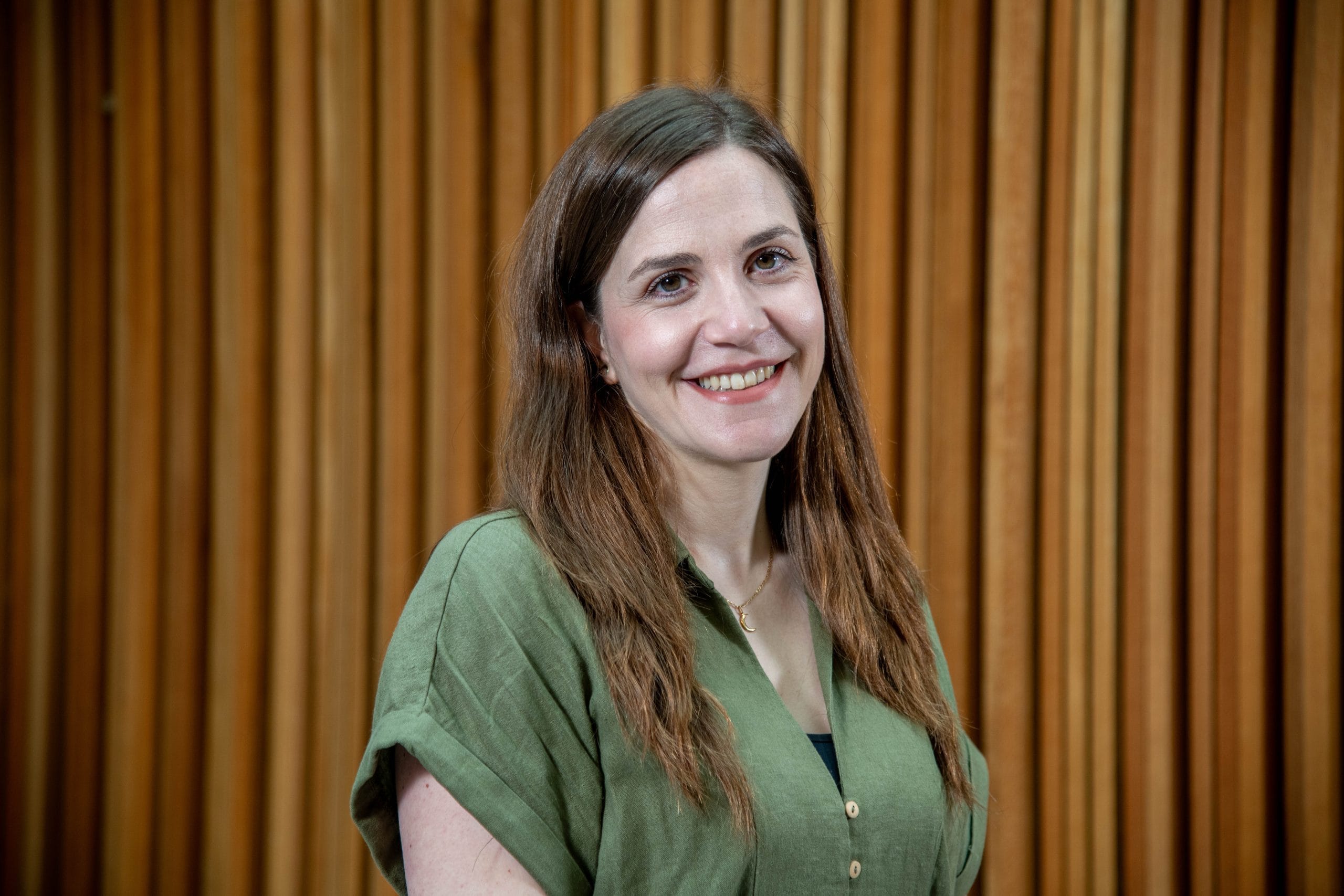
Tackling accent bias: Interview with Dr Gisela Tomé Lourido
You might think that prejudice based on how someone speaks is a relic of the past, but the...
Blogpost

Disrupting the Default: Anti-Ableist Research Culture
In many sectors, conversations around Equality, Diversity, and Inclusion (EDI) are common, but often the specific challenges and...
Blogpost

Supporting researchers returning from parental leave: Cross-institutional workshop insights
Across the partnership, around 200 research staff take extended parental leave each year. This is a critical career...
Blogpost

Spotlight on the Yorkshire Technician Exchange Partnership
Last week, more than 70 technicians from across Yorkshire came together at the relaunch of the Yorkshire Technician...
Sign up to our newsletter
The White Rose University Consortium actively engages with institutional, regional and national partners to propel positive change and create sustained impact for individuals, communities, and the region.


