
Article
Published: 17 February, 2026
An independent evaluation of the first two cohorts of the White Rose University Consortium’s Equity in Leadership programme has highlighted its strong impact on participants’ confidence, leadership capability and career progression, while also identifying clear opportunities to strengthen future delivery.
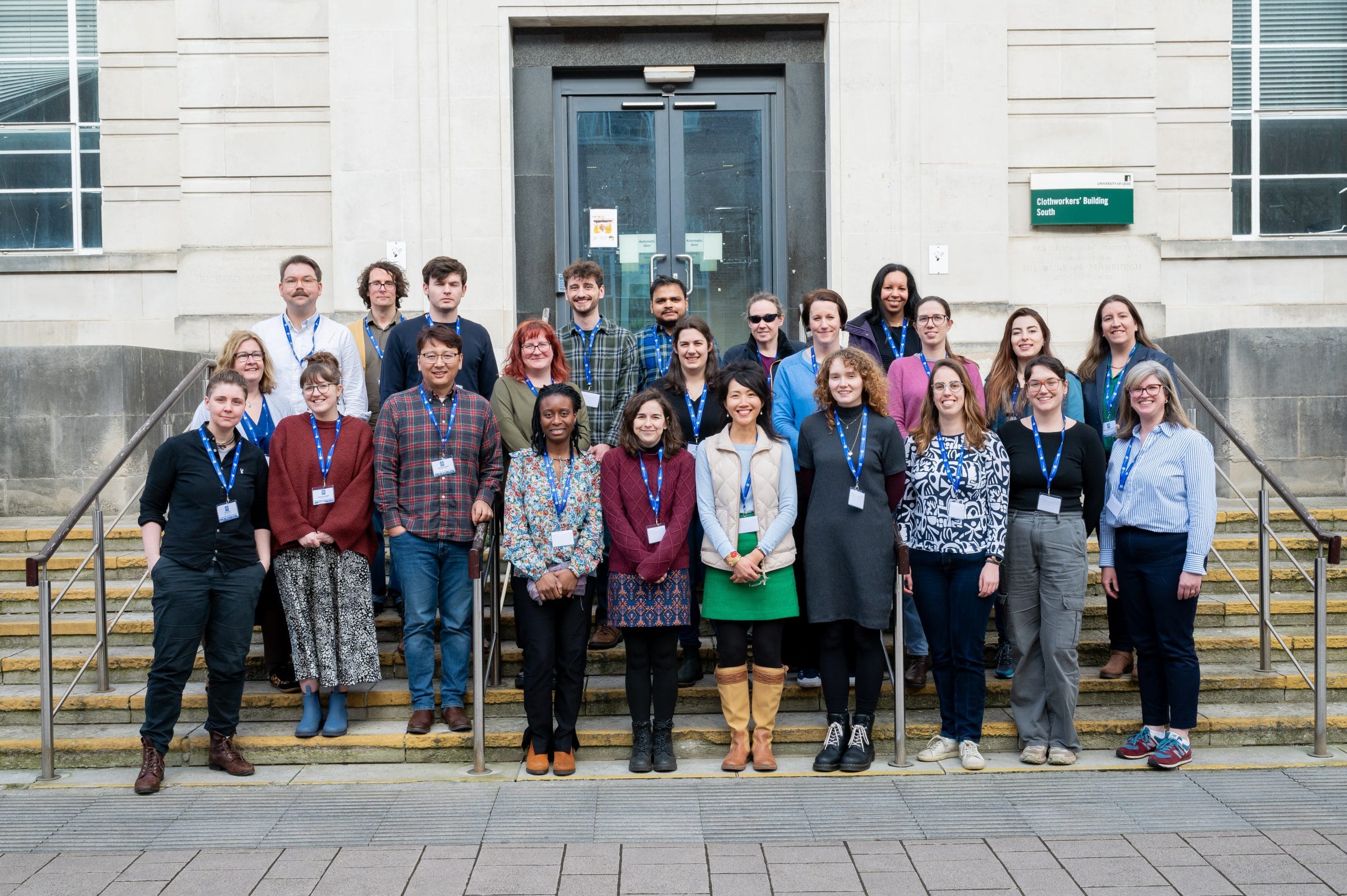
The Equity in Leadership programme is a core White Rose initiative designed to address persistent under-representation of global majority staff in senior leadership roles across higher education. Co-developed by colleagues from the Universities of Leeds, Sheffield and York, the programme supports academic and professional services staff from global majority backgrounds who are aspiring to senior leadership roles within the next 12 to 18 months.
Delivered over six months, the programme combines in-person workshops hosted across the three partner universities with peer-led masterclasses, cross-institutional networking, and personalised support through coaching, mentoring and sponsorship. The approach is deliberately cohort-based, creating a trusted space for participants to reflect on lived experience, build leadership skills, and develop supportive peer networks across institutions.
The evaluation, conducted by Dr David Wilkinson of Research Toolkit, drew on anonymised application materials, programme feedback data, and in-depth interviews with participants and stakeholders across the first two cohorts. It offers a clear, evidence-based view of how the programme is experienced in practice, and where it can go next.
A programme that delivers
Feedback from participants and stakeholders was overwhelmingly positive. The evaluation highlights the programme’s role in building confidence, strengthening leadership identity, and supporting participants to navigate institutional barriers that can limit progression.
Participants described the workshops as inclusive and supportive, with many emphasising the value of being in a space where they could share experiences openly with peers who understood the challenges they faced. Coaching and mentoring were particularly valued for providing tailored, practical support that participants could apply directly to their day-to-day roles.
Importantly, the evaluation also points to tangible outcomes. Several participants reported securing promotions, taking on new leadership responsibilities, or increasing their institutional visibility during or shortly after completing the programme. Others highlighted improvements in self-advocacy, readiness to apply for senior roles, and confidence to contribute in senior forums and decision-making spaces.
Cross-institutional networking emerged as a distinctive strength of the programme. Participants valued the opportunity to build relationships beyond their home institution, often describing these connections as long-lasting sources of advice, collaboration and mutual support.
As David notes:
“The Equity in Leadership programme is making a real and measurable difference to participants’ confidence, leadership readiness and sense of belonging. What stands out is not just individual development, but the way the programme creates trusted communities that continue to support people well beyond the formal delivery period.”
Building on success
Alongside these strengths, the evaluation identifies a number of areas where the programme could be enhanced. Participants and stakeholders highlighted the need for improved pacing, with shorter gaps between sessions to help sustain momentum. More structured and purposeful networking was also recommended, alongside clearer expectations and preparation for senior leaders involved as sponsors.
A recurring theme was the importance of clarifying the distinct roles of sponsorship, mentoring and coaching. While relationships were often positive, participants sometimes felt that sponsorship did not consistently translate into active advocacy or increased visibility. The evaluation also notes the need for stronger institutional recognition of the programme, so that participation and achievements are more visible and valued across the partner universities.
Finally, there was a strong call for sustained post-programme support. Participants described a risk of a “cliff edge” once the formal programme ends, particularly in a challenging higher education labour market where opportunities for progression can be limited.
From evaluation to action
The evaluation makes a series of clear recommendations for what comes next. These include improving programme pacing, introducing more systematic work-shadowing opportunities, providing mandatory preparation for senior leaders acting as sponsors, and developing alumni networks or ongoing communities of practice to sustain impact.
It also recommends more consistent collection and use of data on promotion and progression, to better understand the programme’s longer-term contribution to equitable leadership pathways.
Reflecting on the findings, Karen Hinxman, Head of the White Rose University Consortium said:
“Equity in Leadership represents the very best of what the White Rose partnership can achieve when we work collaboratively and with purpose. We are proud of the programme, proud of the participants, and proud of the difference it is already making. This evaluation reinforces our commitment to growing and strengthening the programme so that its impact continues to deepen over time.”
In response to the evaluation, the White Rose University Consortium has already begun strengthening post-programme support to reduce the risk of a “cliff edge” once the formal six-month programme concludes. Mentoring is now being extended across cohorts to maintain connection between participant groups, with coaching, mentoring and sponsorship continuing beyond the end of the core delivery. An advisory group has been established to develop dedicated alumni development days, ensuring relationships and learning are sustained over time. In parallel, the White Rose team is increasing awareness and understanding of sponsorship by engaging directly with senior leaders across the partner institutions, reinforcing the role it plays in supporting equitable progression.
As the White Rose University Consortium continues to focus on empowering careers, strengthening communities and facilitating cultural change, the evaluation confirms that Equity in Leadership is a vital part of that mission. Investing in inclusive, evidence-led leadership development is already changing who is seen, supported and promoted as a leader across the consortium.
Download the executive summary of the evaluation to read more.
Thank you to the Equity in Leadership Advisory Group
They will be shaping the two White Rose Equity in Leadership development days during 2026 for the programme alumni.
- Sally Chan (University of Leeds)
- Jas Singh (University of Leeds)
- Robert Akparibo (University of Sheffield)
- Baris Çelik (University of Sheffield)
- Rukmal Abeysekera (University of York)
- Karisha George (University of York)
Related news
See all news
Article

A new vision for the White Rose University Consortium
The White Rose University Consortium relaunches today with a new vision and mission focused on enabling individuals to...
Article

Groundbreaking Equity in Leadership programme restarts with new cohort
Aspiring leaders from across the White Rose community have embarked on a transformative journey with the first day...
Article
New Prosper postdoc development programme begins
The first day of our new development programme began on Tuesday 25 February 2025 with postdoctoral researchers from...
Article

Spotlight on the White Rose Gender Equality College
We’re committed to building vibrant networks and communities across our universities, fostering a sense of belonging and connection...
Sign up to our newsletter
The White Rose University Consortium actively engages with institutional, regional and national partners to propel positive change and create sustained impact for individuals, communities, and the region.


